
Simon Sinek - Marketing Consultant
A prolific author and entrepreneur, Godin has penned influential books like "Purple Cow" and "This Is Marketing," focusing on the importance of remarkable products and permission-based marketing. He emphasizes building genuine customer relationships over traditional advertising methods.
Public
Text
0
Owner & Editor:
Edited: about 1 year agoCreated: over 1 year ago
Here is Simon Sinek's key points:
Key Points
- It seems likely that starting with your company's "why" (purpose or mission) is crucial for effective marketing, as it builds emotional connections with customers.
- Research suggests communicating your why clearly in all marketing materials can help differentiate your brand and attract loyal customers.
- The evidence leans toward using storytelling to convey your why, making it more relatable and impactful.
- It appears important to ensure marketing is transparent and authentic, aligning with your true values to maintain trust.
Introduction
If I were Simon Sinek, a renowned author and motivational speaker known for his "Start with Why" philosophy, and your marketing advisor, I’d focus on strategies that inspire and connect with your audience. My approach would center on your company’s purpose, as outlined in my book Start with Why: How Great Leaders Inspire Everyone to Take Action (Start with Why Book). Here’s how we can apply these ideas to your marketing efforts.
Core Marketing Strategies
Defining and Communicating Your Why
First, we’d identify your company’s core purpose—why it exists beyond making a profit. This could be a belief in innovation, sustainability, or community impact. Then, we’d ensure all marketing, from your website to social media, starts with this why, as seen in successful companies like Apple, which emphasizes challenging the status quo (3 Key Marketing Takeaways).
Building Emotional Connections
By sharing your why, we can create marketing messages that resonate emotionally, fostering loyalty. For example, if your why is supporting local communities, highlight customer stories that show this impact, making your brand more relatable and trustworthy.
Differentiating Through Purpose
Your unique why can set you apart from competitors. We’d craft a brand identity that reflects this, ensuring your marketing stands out by appealing to customers who share your values, as discussed in my TED Talk (Simon Sinek TED Talk).
Using Storytelling
Stories are powerful for conveying your why. We’d develop narratives, like how your product solves a problem aligned with your mission, to make your marketing memorable and engaging, as outlined in summaries of Start with Why (Start with Why Summary).
Ensuring Transparency and Authenticity
Finally, we’d ensure all marketing is genuine, reflecting your true values. This builds trust, as customers are more likely to support brands that are authentic, a principle I emphasize in my work on leadership and marketing (Simon Sinek's Official Website).
Detailed Analysis and Insights
This section provides a comprehensive exploration of Simon Sinek’s marketing philosophy, drawing from his books, talks, and online content, to offer a thorough guide for your marketing strategy. It expands on the direct answer, incorporating all relevant details from the research conducted, and is structured to mimic a professional article with detailed explanations, examples, and organizational tools like tables.
Background on Simon Sinek’s Philosophy
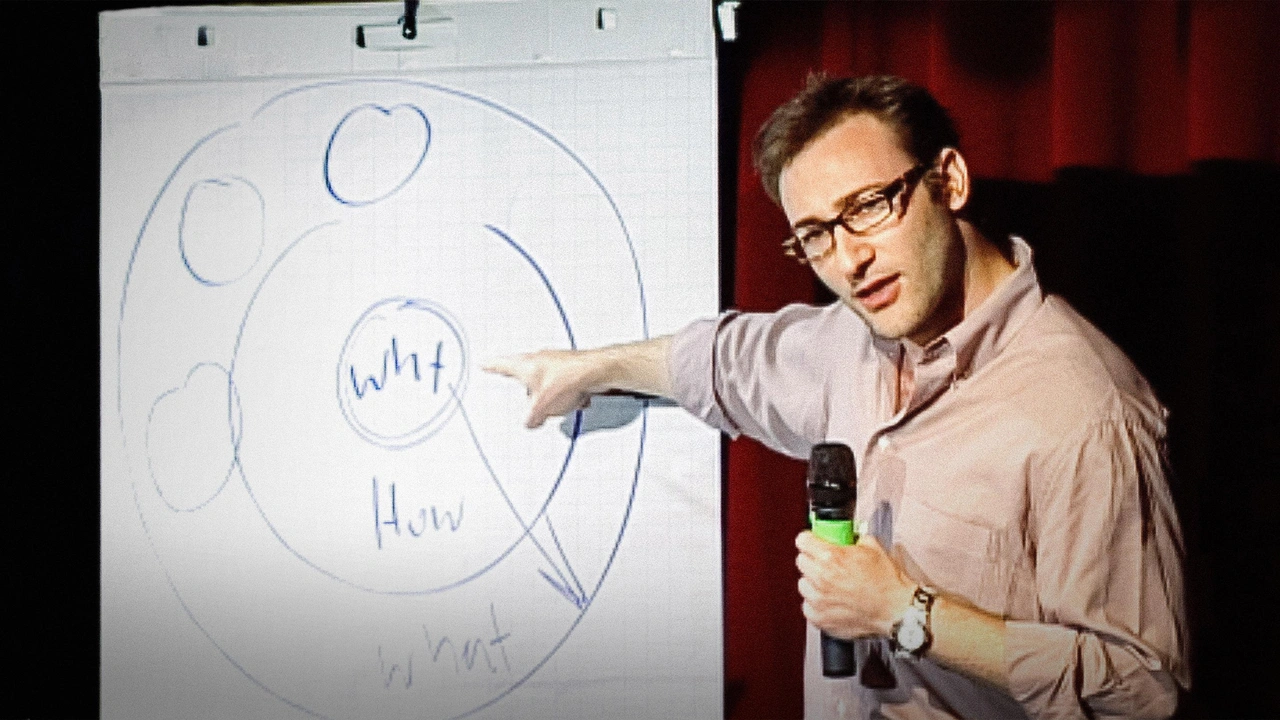
Simon Sinek, an author, motivational speaker, and business consultant, is best known for his book Start with Why: How Great Leaders Inspire Everyone to Take Action (Start with Why Book), published in 2009. His TED Talk, "How Great Leaders Inspire Action," with over 20 million views, introduced the Golden Circle model, which consists of three layers: Why, How, and What (Simon Sinek TED Talk). This model suggests that inspired leaders and organizations communicate from the inside out, starting with their purpose (Why), then their process (How), and finally their products or services (What). This approach is particularly relevant for marketing, as it focuses on inspiring rather than manipulating customers, a concept he contrasts in his book (Start with Why Summary).
Sinek’s philosophy extends beyond leadership into marketing, emphasizing that customers don’t buy what you do but why you do it. This idea is supported by examples like Apple, which markets itself as a company challenging the status quo, not just as a tech firm (3 Key Marketing Takeaways). His work also critiques traditional market research, arguing it often focuses on what customers say they want, like Henry Ford’s famous quote about customers asking for faster horses, rather than uncovering deeper needs (Simon Sinek's Case Against Market Research).
Key Marketing Strategies Derived from Sinek’s Work
Based on his principles, here are the detailed strategies I, as Simon Sinek, would recommend for your marketing:
- Define and Communicate Your Why
The first step is to clearly define your company’s purpose. This isn’t about profits but about your cause, belief, or mission. For instance, if you run a coffee shop, your why might be fostering community connections, not just selling coffee. Once defined, communicate this in all marketing materials. Your website’s homepage should start with a statement like, “We exist to bring people together through shared experiences,” followed by how you do it (e.g., hosting events) and what you offer (e.g., organic coffee). This aligns with my Golden Circle model, as seen in digital marketing strategies discussed in Golden Circle Model Article.Aspect
Example for Coffee Shop
Why
Foster community connections
How
Host events, create welcoming spaces
What
Serve organic, fair-trade coffee
- Build Emotional Connections
Marketing should aim to inspire, not just inform. By sharing your why, you create an emotional bond with customers. For example, if your why is sustainability, share stories of how your products reduce waste, as seen in Apple’s marketing, which connects with customers who value innovation (3 Key Marketing Takeaways). This approach can turn customers into evangelists, as they feel aligned with your values, a point I discuss in my book Leaders Eat Last (Leaders Eat Last Book). - Differentiate Through Purpose
Your why can set you apart in a crowded market. For instance, if competitors focus on price, you can differentiate by emphasizing your mission, like supporting local artisans. This strategy is evident in my analysis of Apple versus Dell, where Apple’s why (thinking differently) allowed it to expand into iPads and iPhones, while Dell, defined by what it does (computers), struggled to diversify (A 12-Minute Summary of Start With Why). This differentiation helps attract customers who share your beliefs, creating a loyal base. - Storytelling
Stories are a powerful way to convey your why. Instead of listing product features, share narratives, like how your product helped a customer achieve a goal aligned with your mission. For example, if your why is education, tell a story of how your app helped a student learn, as discussed in Book Review: Start With Why. This makes your marketing more engaging and memorable, leveraging the human brain’s natural response to stories, a concept I explore in my talks (Simon Sinek's Official Website). - Transparency and Authenticity
Ensure all marketing is genuine and reflects your true values. Customers can sense inauthenticity, and trust is crucial for long-term success. For example, if your why is environmental responsibility, avoid greenwashing—ensure your practices match your claims. This aligns with my emphasis on trust in leadership, as seen in my book The Infinite Game (The Infinite Game Book), and is critical in marketing to maintain customer loyalty.
Practical Application and Examples
To apply these strategies, consider the following steps:
- Website and Social Media: Start your website with a “Our Mission” section, like, “We believe in empowering local artists,” followed by how (e.g., featuring their work) and what (e.g., selling art prints). On social media, post stories that highlight this mission, such as customer testimonials about supporting artists.
- Advertising Campaigns: Create ads that lead with why, like, “We’re here to make the world greener,” then show how (e.g., using recycled materials) and what (e.g., eco-friendly products).
- Customer Engagement: Train your team to communicate the why in customer interactions, ensuring consistency, as I discuss in my leadership training programs (Leadership Training Platform).
Unexpected Insight: The Role of Community
An interesting aspect is how your why can build a community, not just customers. By attracting people who share your beliefs, you create advocates who spread your message, as seen in my analysis of small businesses that thrive on supporting local causes (Simon Sinek PR & Marketing Guide). This community effect can amplify your marketing reach organically, something you might not initially consider.
Conclusion
By focusing on these strategies, we can craft a marketing approach that inspires action, builds loyalty, and sets your brand apart. These principles, rooted in my work, are timeless and adaptable to any business, ensuring your marketing resonates deeply with your audience.
Key Citations
- Start with Why Book Simon Sinek
- Leaders Eat Last Book Simon Sinek
- The Infinite Game Book Simon Sinek
- Simon Sinek's Official Website Leadership Training
- Simon Sinek TED Talk How Great Leaders Inspire Action
- 3 Key Marketing Takeaways from Simon Sinek David Hodder
- Start with Why Summary Get Storyshots
- Golden Circle Model Sinek's Theory Value Proposition Smart Insights
- Simon Sinek's Case Against Market Research LinkedIn George Kuhn
- A 12-Minute Summary of Start With Why Freshsales
- Book Review Start With Why Simon Sinek Deliberate Owl
- Simon Sinek PR & Marketing Guide For Entrepreneurs Press Farm
Create an account to create public content for free!
With an account you can:
Organize your work by saving anything to your private dashboard
Copy any page you can see
Subscribe to get in app notifications changes of pages
Create your own curated searches for content you care about
Follow others
View history of what you have created, updated, or viewed
Upgrade to Pro!
Limited time offer
When signing up for a year, I will work with you for an hour to create prompts specific for your needs!Add specific people to edit or view your content
Use much higher AI limits plus advanced tools for prompts, pages, and apps.
Connect compatible external AI tools to the context you save in MyiWorlds.